If you’re doing sex work in New Zealand - whether as a freelance escort, an online performer, or a sex model in Paris - you’re still required to report your income. It doesn’t matter how you earn it. The Inland Revenue Department (IRD) doesn’t care if your work is legal in the eyes of society. They only care if you made money. And if you did, you owe taxes.
Some people in the industry turn to online platforms to find clients. One such resource is paris escort girl, where workers in France connect with clients. But even if you’re based in Wellington, Sydney, or Paris, the tax rules still apply. Just because your work happens online or across borders doesn’t make it invisible to tax authorities.
Yes, You Have to File - Even If It Feels Scary
There’s a myth that if your income is cash-based or untraceable, you don’t need to report it. That’s not true. The IRD has tools to track financial patterns. If you’re depositing cash into a bank account, using digital payment apps like PayNow or Stripe, or even receiving crypto payments, those transactions leave trails. You don’t need to prove how you earned the money - just that you earned it.
Many sex workers avoid filing because they fear stigma, exposure, or judgment. But filing doesn’t mean you have to label yourself publicly. You can file as a sole trader under your legal name without ever saying what your business does. The IRD doesn’t require you to list your job title. You just need to report income and expenses.
What Counts as Income?
Every dollar you get from sex work counts. That includes:
- Cash payments from in-person sessions
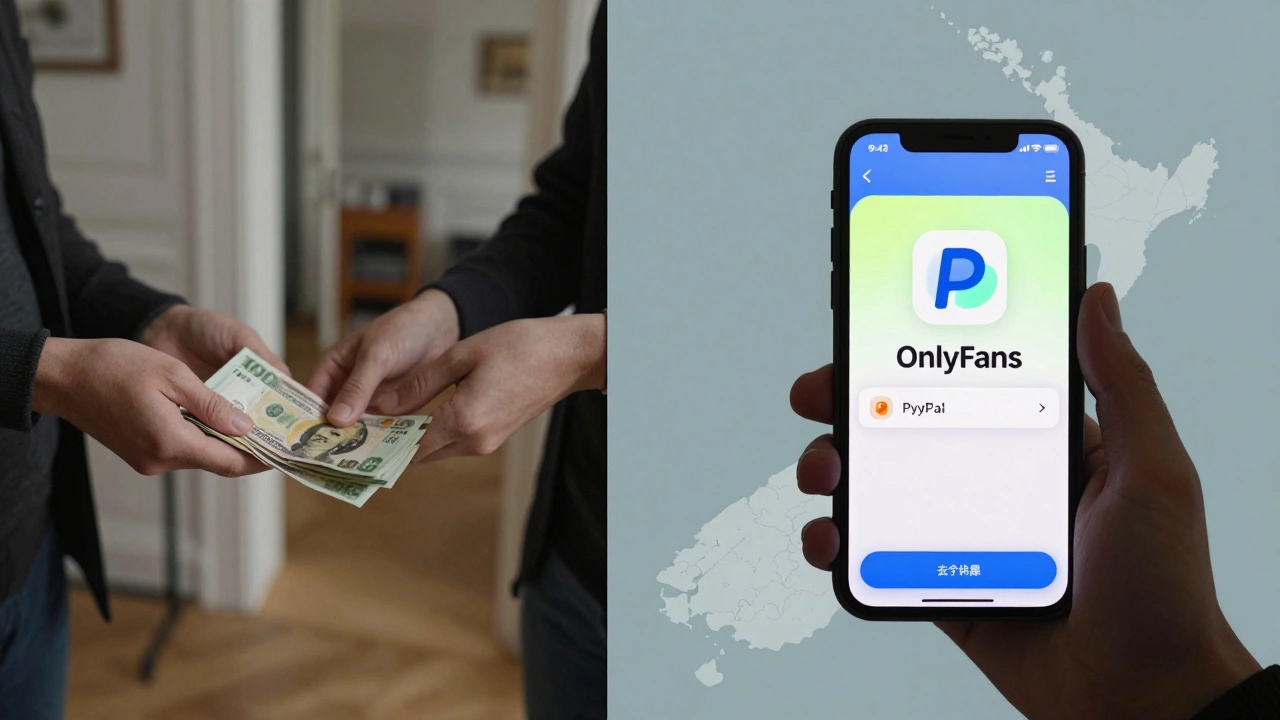
- Payments from subscription platforms like OnlyFans or FanCentro
- Donations via PayPal or crypto
- Gifts or tips that are tied to services rendered
- Earnings from selling photos or videos, even if you’re a sex model in Paris and shipping content internationally
It doesn’t matter if you get paid weekly, monthly, or once a year. If it’s income, it’s taxable. The IRD doesn’t care if you consider it a side hustle or a full-time job. The moment money changes hands for a service, it becomes reportable.
What Can You Claim as Expenses?
You’re allowed to deduct legitimate business costs. This is where many people miss out - they think they can’t claim anything because their work is informal. But you can claim:
- Internet and phone bills (proportion used for work)
- Camera gear, lighting, microphones, or editing software
- Cost of costumes, lingerie, or makeup used for content
- Travel expenses if you travel for work (like flying to meet a client or attending a shoot)
- Home office space - if you have a dedicated area for work
- Advertising costs - including paid promotions on social media or listings on sites like paris escort girl
- Bank fees or payment processing charges
Keep receipts. Even if they’re just screenshots of PayPal transactions or photos of receipts, save them. The IRD doesn’t require fancy accounting software - just clear records. A simple spreadsheet with dates, amounts, and descriptions is enough.
How to File - Step by Step
Filing isn’t complicated. Here’s how to do it:
- Register as a sole trader with the IRD. You can do this online in under 10 minutes.
- Get an IRD number. You’ll need it to file your return.
- Track your income and expenses all year. Use a free app like Wave or even a Google Sheet.
- File your individual tax return (IR3) by July 7 each year.
- Pay any tax owed. You can set up a payment plan if you can’t pay it all at once.
You don’t need an accountant. Most people handle it themselves. But if you’re overwhelmed, find an accountant who’s worked with gig workers or sex workers before. They know how to keep things discreet.
What Happens If You Don’t File?
Ignoring taxes doesn’t make them disappear. The IRD can issue penalties for late filing - up to $250 per month. If they find unreported income, you’ll owe back taxes plus interest. Interest compounds daily. That means a $2,000 debt today could be $2,500 in two years.
Worse, if you ever apply for a loan, visa, or government benefit, they might ask for your tax history. Unfiled returns can delay or block those applications. It’s not just about punishment - it’s about future security.
What About International Work?
If you’re a sex girl Paris resident or you’re selling content to clients overseas, you still need to declare that income in New Zealand. New Zealand taxes residents on worldwide income. That means even if you’re paid in euros or dollars, it’s still taxable here.
But here’s the good news: if you’ve already paid tax in another country, you might get a foreign tax credit. For example, if you’re a sex model in Paris and paid 30% tax in France, you can offset that against your New Zealand tax bill. You’ll still need to report it, but you won’t be taxed twice.

Why Filing Protects You
Filing taxes isn’t just about avoiding penalties. It’s about building a paper trail that protects you. If you’re ever in a dispute with a client, need to prove income for a rental application, or want to open a bank account, having tax records makes things easier. It gives you legitimacy - not in the eyes of society, but in the eyes of institutions.
Some sex workers have used their tax history to prove income when applying for housing, credit cards, or even visas. It’s not a magic solution, but it’s one less hurdle to jump.
Common Myths Debunked
Myth: “I’m not a business, I’m just doing this for fun.”
IR doesn’t care why you’re doing it. If you’re earning money, you’re running a business - even if it’s one client at a time.
Myth: “I can’t claim anything because it’s not a ‘real’ job.”
Expenses aren’t about legitimacy - they’re about necessity. If you bought a camera to make content, it’s a business expense.
Myth: “The IRD will find out and shut me down.”
They won’t. The IRD doesn’t investigate sex work specifically. They investigate unreported income. If you file, you’re invisible to them - unless you owe money.
Final Thoughts: It’s Not About Approval - It’s About Control
You don’t need society to approve of your work to deserve financial safety. You don’t need permission to protect yourself. Filing taxes isn’t an act of conformity - it’s an act of self-preservation. It’s about keeping your money, your privacy, and your future options open.
Every dollar you report is a dollar you own. Every expense you claim is a dollar you get back. Every year you file is a year you’re not risking penalties, interest, or future complications.
You’re not breaking the rules by filing. You’re using them - smartly, safely, and on your own terms.