Paris isn’t just about the Eiffel Tower, croissants, and cobblestone streets. Beneath the surface of its romantic image lies a quieter, more complex world - one where women known as escorts in Paris offer more than companionship. They offer conversation that lingers, presence that calms, and insight that surprises. Many assume their value lies in appearance alone. But the truth? The most sought-after scort girl paris are often historians, linguists, artists, or former professionals who chose this path for freedom, not desperation.
If you’ve ever wondered how someone ends up in this line of work, it’s rarely a single decision. It’s a series of small turns - a degree in literature with no job offers, a visa that expired, a desire to work on your own terms. Some come from finance, others from theater. One woman I spoke with used to teach philosophy at the Sorbonne. She now spends evenings discussing Camus with clients who crave more than a date - they crave depth. For those looking to understand the culture around this world, datingparis.net offers a glimpse into how relationships in the city often blur the lines between transaction and connection.
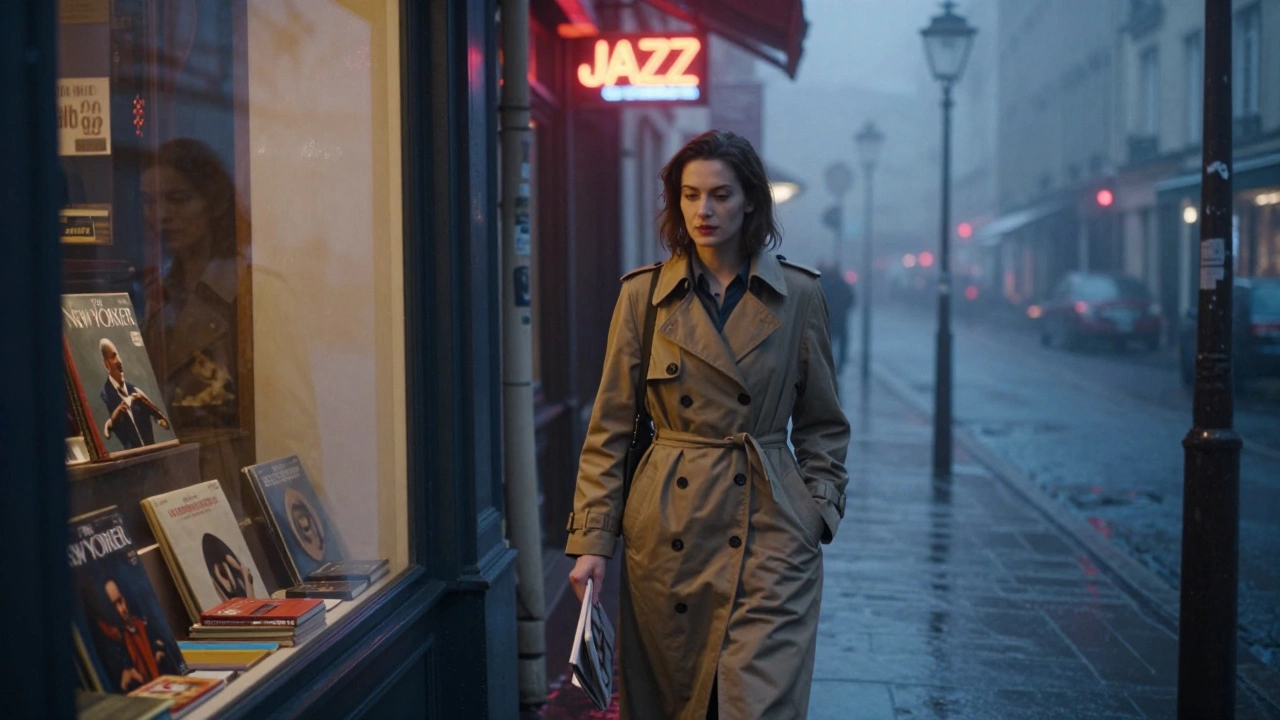
Don’t confuse these women with stereotypes. The esxorte paris who thrive aren’t the ones chasing flashy cars or designer bags. They’re the ones who read the New Yorker cover to cover, memorize poetry for clients who ask for it, and know which jazz club in Saint-Germain has the best acoustics at 10 p.m. on a Tuesday. Their intelligence isn’t a bonus - it’s the product. Clients don’t pay for beauty. They pay for the kind of presence that makes you feel understood, even if you’ve never met before.
Why Intelligence Matters More Than Looks
Beauty fades. Memory doesn’t. A client once told me he’d booked three different companions in three weeks before finding the right one. The first two were stunning - but conversations ended at the weather. The third? She asked him about his childhood in Lyon, remembered he hated cilantro, and brought up a book he’d mentioned months earlier. That’s the difference. In a city where everyone’s polished, the ones who stand out are the ones who listen.
There’s no formal training for this. No school teaches you how to navigate a conversation about Brexit with a British banker while keeping your tone light. But the best escrt paris learn it through experience - reading widely, watching people, absorbing culture like sponge. One woman I met kept a notebook of favorite quotes from clients. She’d reference them later, not to impress, but to show she cared. That’s the unspoken currency here.
The Hidden Rules of the Industry
There are no contracts. No agencies with logos on the door. Most work independently, using private networks, encrypted apps, and word-of-mouth referrals. They set their own rates, choose their clients, and walk away if something feels off. The women who last don’t chase volume - they chase resonance. One rule they all follow: never mix personal life with work. No social media posts. No sharing last names. No photos beyond what’s necessary for vetting.
They don’t advertise on street corners or sketchy websites. Their presence is quiet - curated profiles on invitation-only platforms, discreet listings on niche forums, referrals from trusted colleagues. The clients? Often high-achievers: diplomats, writers, entrepreneurs. People who’ve seen the world and are tired of small talk. They’re not looking for a girlfriend. They’re looking for someone who can match their mind.
What Clients Really Want
It’s not sex. Not always. Sometimes, it’s just someone to sit with while they eat dinner. Someone who knows how to order wine without sounding pretentious. Someone who doesn’t flinch when they talk about their divorce, their grief, or their fear of failure. One client, a retired professor, said he booked a companion every two weeks just to hear someone read aloud from Proust. He didn’t touch her. He just needed to feel heard.
These women don’t perform. They participate. They ask questions. They remember. They don’t laugh at jokes they don’t find funny. They don’t fake interest. That authenticity is what clients pay for. The most expensive hour isn’t the one with the most glamorous outfit - it’s the one where the woman says, “I don’t know about that, but tell me more.”
How to Recognize the Right One
If you’re considering this path, whether as a client or someone curious, here’s what to look for:
- They don’t push for photos or personal details upfront
- They ask about your interests, not your job title
- They’re comfortable with silence
- They don’t mention other clients
- They have opinions - not just agreeable ones
Red flags? Anyone who mentions “VIP packages,” uses stock photos, or talks about their “services” like a menu. Real companions don’t sell packages. They offer presence.

The Emotional Weight of the Role
This isn’t easy work. It’s emotionally demanding. These women carry the weight of other people’s loneliness, insecurities, and regrets. They don’t get therapy paid for by their clients. They don’t get vacation days. They learn to compartmentalize - but it takes a toll. Many leave after five years. Some transition into writing, coaching, or art. Others stay because they’ve built something rare: autonomy, dignity, and control over their time.
They’re not victims. They’re not villains. They’re women making choices in a world that rarely gives them many. And in a city like Paris - where elegance is expected, and depth is rare - they’ve turned a misunderstood profession into an art form.
Final Thoughts: More Than a Service
When you meet an escort in Paris, you’re not meeting a fantasy. You’re meeting a person - one who’s read more books than you have, traveled farther than you’ve dreamed, and chosen to be present in a world that often feels hollow. Their grace isn’t in how they dress. It’s in how they hold space - for silence, for truth, for connection without expectation.
They don’t need your pity. They don’t need your admiration. They need you to see them - not as a role, but as a human being who chose to show up, fully, in a city that’s always rushing past.